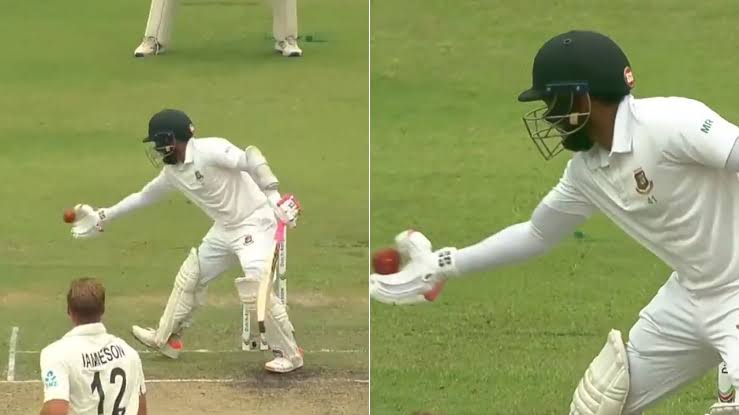
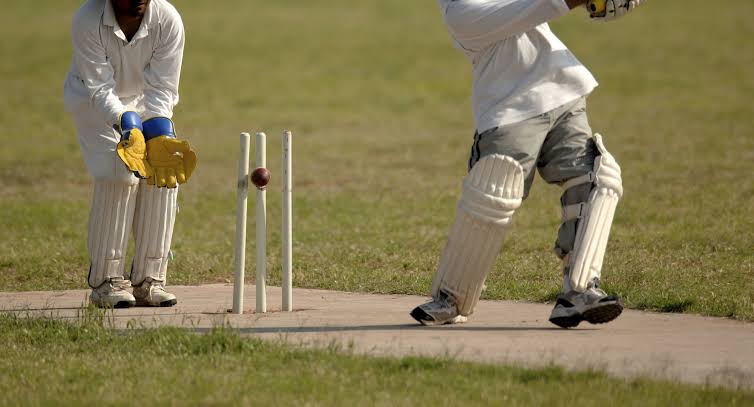
A golden duck is one of the most disappointing dismissals in cricket. It happens when a batter gets out on the first ball they face without scoring a run. The batter has no opportunity to settle at the crease or open their account.
The term is used in Test cricket, One Day Internationals (ODIs), T20 Internationals and domestic competitions such as the Indian Premier League (IPL).
However, a golden duck is only one of several types of ducks in cricket. Other terms include silver duck, bronze duck, diamond duck, royal duck, laughing duck and king pair.
This guide explains what a golden duck means, how the different types work, and how often these dismissals happen in modern cricket.
What Is a Golden Duck in Cricket?
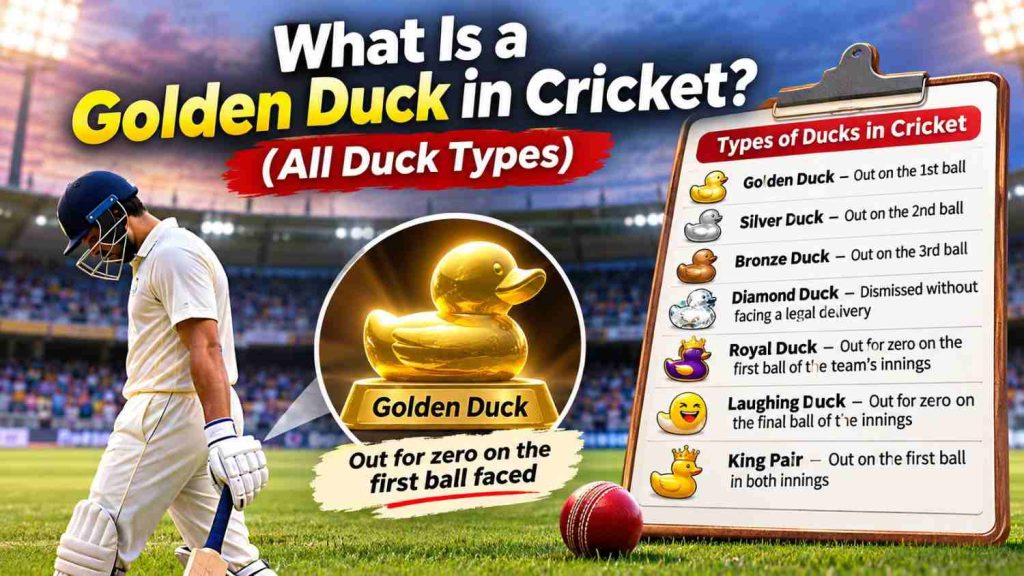
A golden duck in cricket happens when a batter is dismissed without scoring on the very first ball they face in an innings.
For example, imagine an opening batter comes out to face the first delivery. The bowler sends down a good-length ball, and the batter edges it to the wicketkeeper. The catch is taken, and the batter walks back with zero runs from one ball.
That dismissal is called a golden duck.
A golden duck does not depend on how the batter gets out. The batter can be bowled, caught, given out LBW or dismissed through another valid method. The important point is that they are dismissed for zero on their first ball faced.
Example:
| Batter | Runs | Balls Faced | Result |
| Rohit | 0 | 1 | Caught |
| Virat | 45 | 32 | Not out |
| Rahul | 28 | 20 | Bowled |
In this example, Rohit gets a golden duck because he is dismissed without scoring on his first ball.
What Is a Duck in Cricket?
A duck means a batter is dismissed without scoring any runs. The scorecard records zero runs against the batter’s name.
For example, a batter might face 12 deliveries, defend several balls and then get caught without scoring. This is a duck.
A duck is different from a golden duck because the batter does not have to get out on the first ball. They can face several deliveries and still receive a duck if they are dismissed before scoring.
A batter who remains not out on zero does not receive a duck. The dismissal is essential.
All Types of Ducks in Cricket
Cricket has several informal terms for different types of ducks. Most refer to the number of balls faced or the point at which a batter gets dismissed.
Here is a comparison of the commonly used terms.
| Type of Duck | Meaning |
| Duck | Dismissed without scoring |
| Golden duck | Out for zero on the first ball faced |
| Silver duck | Out for zero on the second ball faced |
| Bronze duck | Out for zero on the third ball faced |
| Diamond duck | Dismissed without facing a legal delivery |
| Royal duck | Out for zero on the first ball of the team’s innings |
| Platinum duck | Sometimes used as another name for a royal duck |
| Laughing duck | Out for zero on the final ball of the innings |
| Pair | Out for zero in both innings of a match |
| King pair | Out on the first ball faced in both innings |
These names are cricket terminology rather than separate official dismissal categories in the Laws of Cricket. Some terms, especially diamond duck and platinum duck, can have different meanings in different cricket communities.
1. Golden Duck
A golden duck occurs when a batter gets dismissed for zero on the first ball they face.
It can happen in any format. A batter might get caught in the slips, bowled through the gate or trapped LBW.
For example, if a batter faces one delivery and gets bowled without scoring, the scorecard shows 0 from 1 ball. That is a golden duck.
2. Silver Duck
A silver duck happens when a batter gets dismissed for zero on the second ball they face.
For example, a batter defends the first delivery and faces another ball. They then attempt a shot but get caught without scoring.
The batter has faced two balls and scored zero. This is known as a silver duck.
3. Bronze Duck
A bronze duck happens when a batter gets out for zero on the third ball they face.
For example, a batter survives the first two deliveries but gets caught on the third. Since they have not scored, the dismissal is called a bronze duck.
Silver and bronze ducks are informal terms. They are less commonly used than golden duck.
4. Diamond Duck
A diamond duck occurs when a batter is dismissed without facing a legal delivery.
A common example is a non-striker getting run out before facing a ball. The batter is dismissed without having a delivery recorded as faced.
A batter can also be dismissed without facing a legal delivery in certain other situations, such as being stumped off a wide or being timed out.
A wide does not count as a ball faced in standard batting statistics. Therefore, a batter dismissed by stumping or run out off a wide can also be described as making a diamond duck.
The term can cause confusion because some cricket communities use diamond duck differently. The no-legal-delivery definition is the common interpretation used in many modern explanations.
SportsAdda’s IPL data recorded just 56 diamond ducks across 19 seasons, making this type of dismissal particularly rare. That works out to approximately one diamond duck every 340 innings.
5. Royal Duck
A royal duck happens when an opening batter gets dismissed for zero on the first ball of the team’s innings.
For example, if the first batter faces the opening delivery and gets caught without scoring, it is a royal duck.
A royal duck is also commonly called a platinum duck. Since the opener faces the first delivery of the innings, a royal duck is also a golden duck.
6. Platinum Duck
Platinum duck is sometimes used as another name for a royal duck. In this usage, it describes an opening batter getting dismissed for zero on the first delivery of the team’s innings.
However, the term is informal and its meaning can vary between cricket sources. It is best to explain the intended meaning when using this term.
7. Laughing Duck
A laughing duck happens when a batter gets dismissed for zero on the final ball of the team’s innings.
For example, a batter comes in near the end of an innings and faces the last available delivery. They get caught without scoring.
The dismissal is called a laughing duck because the batter’s innings ends without a single run.
8. Pair
A pair happens when a batter gets dismissed for zero in both innings of a two-innings match.
The term is most commonly used in Test cricket and first-class cricket.
For example:
| Innings | Batter’s Score |
| First innings | 0 |
| Second innings | 0 |
| Result | Pair |
The batter has failed to score in either innings, so the score is described as a pair.
9. King Pair
A king pair is one of the most unfortunate outcomes for a batter in a two-innings match, particularly in Test and first-class cricket.
It happens when a batter is dismissed on the first ball they face in both innings of a match.
For example, a batter gets caught on the first ball of the first innings. In the second innings, they return to the crease and get bowled by their first delivery again.
Both dismissals are golden ducks. Together, they make a king pair.
How Often Do Golden Ducks Happen in Cricket?
Golden ducks are common in all formats, but their share of total ducks changes with the format.
SportsAdda analysed ball-by-ball records from men’s international cricket and the IPL. The dataset covers 32,704 Test innings from December 2001 onwards, 45,301 ODI innings from June 2002 onwards, 57,333 T20I innings from February 2005 onwards and 19,111 IPL innings from 2008 through the end of the 2026 season.
These figures represent the available statistical sample, not the complete historical records of each format. The published research was updated on 16 September 2026.
| Format | Golden Ducks | Golden Ducks as a Share of All Ducks |
| Test cricket | 780 | 21.9% |
| ODI cricket | 1,251 | 32.2% |
| T20 International | 2,681 | 44.2% |
| IPL | 737 | 49.6% |
The figures show that almost half of the ducks in the IPL sample were golden ducks.
This does not mean the first ball is necessarily more difficult in T20 cricket. The shorter format gives batters less time to remain on zero. Once a batter survives the first delivery, they often look to score quickly.
In Test cricket, a batter may face many deliveries without scoring before getting dismissed. That creates more opportunities for ordinary ducks rather than golden ducks.
Statistical note: These figures come from SportsAdda’s published dataset and cover the ball-by-ball era described above, not all of cricket history.
What Is the Difference Between a Golden Duck and a Diamond Duck?
Both dismissals leave the batter with zero runs, but the difference is the number of deliveries faced.
| Golden Duck | Diamond Duck |
| Batter faces the first ball and gets out | Batter gets out without facing a legal delivery |
| Usually involves one ball faced | Zero legal balls faced |
| Can happen to any batter facing a delivery | Can happen before the batter faces a legal delivery |
| Example: caught on the first ball | Example: non-striker run out before facing a ball |
The key difference is simple: a golden duck involves the batter facing their first delivery, while a diamond duck involves dismissal without facing a legal delivery.
Does a Golden Duck Count in a Batter’s Batting Average?
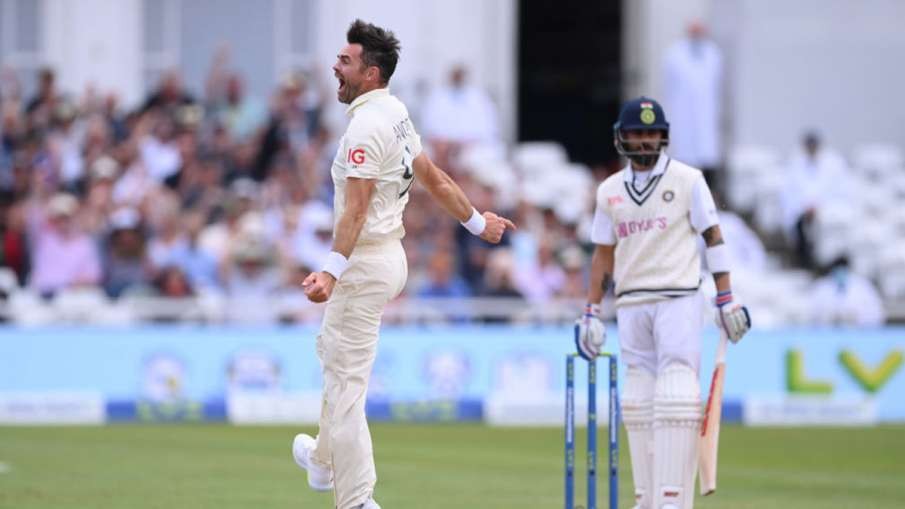
Source Image: Indiatvnews
Yes. A golden duck counts as a dismissal for zero in a batter’s statistics.
A batter’s batting average is calculated by dividing the total runs scored by the number of times they have been dismissed.
For example, if a batter scores 150 runs across five innings and gets dismissed four times, their average is:
150 ÷ 4 = 37.50
If one of those four dismissals is a golden duck, it still counts as a dismissal. The batter receives no runs from that innings, but the dismissal is included in the average calculation.
A golden duck does not have a separate penalty in the official batting average calculation. It is recorded as an ordinary dismissal for zero.
Why Is a Golden Duck So Disappointing for a Batter?
A golden duck is frustrating because it ends a batter’s innings before they have a chance to settle.
There are several reasons why it can be costly:
- Early loss of a wicket: The team loses a batter immediately, often before building a partnership.
- Pressure on the next batter: The incoming player must face the bowling attack earlier than expected.
- Lost scoring opportunity: The team misses the chance to build runs through an established batter.
- Pressure in short formats: In T20 cricket, losing an early wicket can affect the team’s scoring plans.
- Personal disappointment: A batter may have prepared for the match but cannot contribute with the bat.
However, a golden duck does not decide the result of a match by itself. A team can recover from an early wicket and still win.
Conclusion
A golden duck in cricket means a batter gets dismissed without scoring on the first ball they face. It can happen in Tests, ODIs, T20 Internationals and domestic competitions.
Cricket also uses several other duck terms, including silver duck, bronze duck, diamond duck, royal duck, laughing duck, pair and king pair.
Although these terms describe different situations, they all share one thing: the batter returns to the pavilion without adding a run to their score.
FAQs About Golden Ducks in Cricket
A golden duck happens when a batter gets dismissed for zero on the first ball they face in an innings.
No. A normal duck means a batter is dismissed without scoring. A golden duck specifically means the batter gets out on their first ball faced.
A diamond duck occurs when a batter is dismissed without facing a legal delivery. A common example is a non-striker getting run out before facing a ball.
A royal duck happens when an opening batter gets dismissed for zero on the first ball of the team’s innings. It is sometimes also called a platinum duck.
A king pair happens when a batter gets dismissed on the first ball they face in both innings of a two-innings match. Both dismissals are golden ducks.